
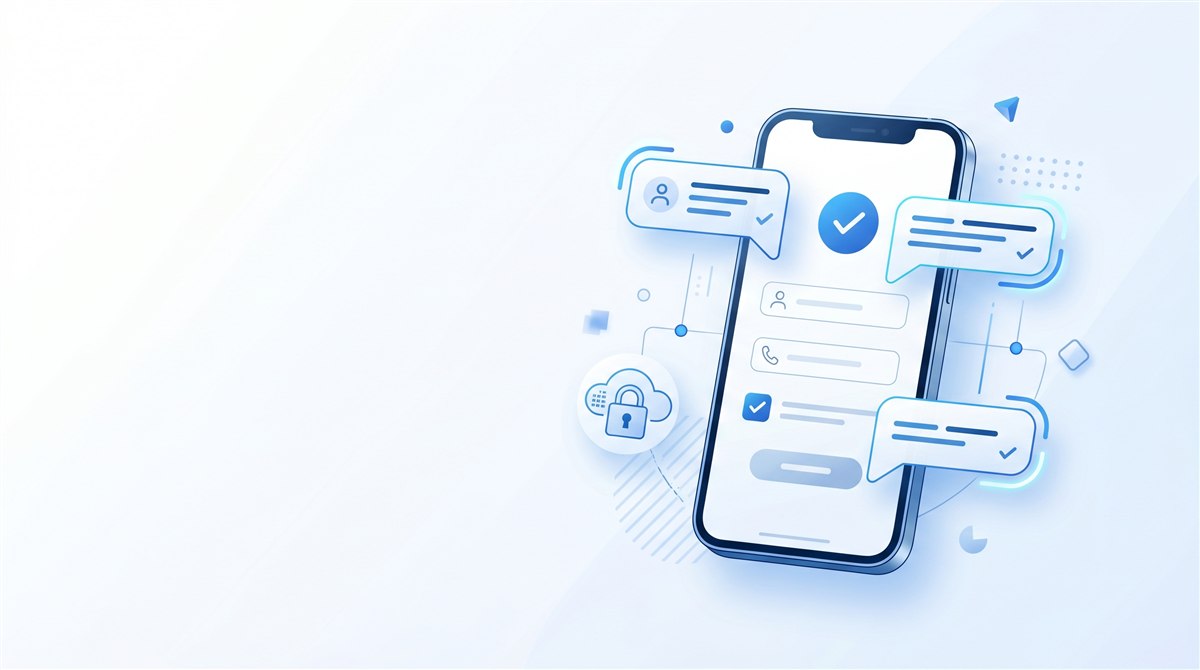
SureSMS guide
How to collect SMS permissions that drive results
Get SureSMS’ practical guide to collecting SMS permissions with clear consent, high quality and better impact in your campaigns.
Main points
- SMS permissions must be active, clear and valuable to the recipient.
- The quality of the list is more important than the number of phone numbers.
- The best permissions are collected where the customer already shows interest or trust.
Good SMS campaigns don't start with the message itself. They start with a strong permission base: a list of recipients who have actively agreed to hear from you via SMS.
SMS is closer to the customer than most other marketing channels. Therefore, the opt-in must be clear, voluntary and valuable. When the recipient understands what they're agreeing to and feels that the messages actually make sense, you don't just get more numbers in your database. You get a base that clicks, buys, responds and sticks around.
What is an SMS permission?
An SMS permission is an active consent from a person for your company to send marketing via SMS. This could be offers, promotions, customer club benefits, invitations, competitions or relevant inspiration.
The important thing is that the consent should not be unclear or hidden away. The recipient should be able to see who is sending the messages, what type of communication it is and how to unsubscribe.
Write the sign-up point in plain language. Customers need to be able to quickly understand the value, sender and type of SMS - without having to read legalese-heavy text.
Quality beats volume
It can be tempting to chase as many sign-ups as possible. But a large list isn't worth much if the recipients aren't interested. A smaller SMS list with clear expectations and high relevance will often yield better results than a large list where people quickly unsubscribe.
Therefore, don't just ask: “How do we get more permissions?” Also ask: “How do we get the right permissions?” The best permission base is built where the customer already has interest, trust or purchase intent.
Make the value clear when signing up
People don't give out their mobile number for no reason. Mobile is personal, so the value must be tangible. Make it clear what the customer gets out of signing up.
- Give a concrete reason to say yes - for example, exclusive offers, early access or customer club benefits.
- Briefly explain what type of SMS the customer can expect and who the sender is.
- Make it easy to unsubscribe again. It builds trust and the quality of the list.
This article is a guide and not legal advice. Always make sure your consent process meets applicable regulations and your own compliance requirements.
6 great places to collect SMS permissions
1. checkout and order process
Checkout is an obvious place to invite the customer to receive SMS. The customer is already shopping and trusts you enough to share contact information. Here, a simple checkbox with clear text can be effective as long as the opt-in is an active choice.
2. Customer clubs and loyalty programs
Customer clubs work well because the customer already expects benefits and relevant communication. SMS can be used to make membership more present with exclusive offers, points status, birthday greetings or early access to promotions.
3. Pop-ups on the website
Pop-ups can drive a lot of sign-ups, but the timing needs to be right. Show them when the user has shown interest: after scroll, at exit intent or on relevant product pages. Avoid interrupting too early.
Want to work more structured with SMS permissions?
SureSMS helps with SMS platform, campaigns, lists and integrations so you can use your permissions responsibly and efficiently.
Contact SureSMS4. Competitions and promotions
Contests can be a quick way to build a permission base. It's especially important to distinguish between entering the contest and consenting to SMS marketing.
5. Lead ads on social media
Lead ads can reduce friction because the user can sign up directly on the platform. This can be effective for campaigns, events and new audiences. Quality can vary, so the welcome message should confirm value and set expectations.
6. From email to SMS
If you already have an email list, you can invite the most engaged recipients over to SMS. Here you build on an existing relationship, which often results in high-quality permissions.
Remember the difference between marketing and service messages
Not all SMS messages are marketing. Order confirmations, delivery messages, operational information and necessary service messages have a different purpose than promotions and offers. When the message has marketing content, you generally need valid consent.
How SureSMS helps
With SureSMS, you can work in a structured way with SMS communication, campaigns and lists so that your messages are sent professionally and targeted. A good platform won't solve consent for you, but it will make it easier to use your permissions correctly, keep track of recipients and send relevant SMS messages at the right time.
Conclusion: Start with confidence
The first step is to build a permission base that customers actually want to be a part of. Start with clear value, active consent and a plan on how to maintain relevance after sign-up.