
SureSMS guide
Why SMS is still an important communication channel in 2026
SMS is still one of the most reliable channels for critical business communication. See why SMS, API and two-way messaging continue to play a key role in 2026.
Main points
- SMS is still a stable and widely available channel for essential business communication.
- RCS and other channels can complement SMS, but SMS acts as a safe fallback when the message needs to get through.
- SMS API and two-way SMS make the channel more valuable because messages can be automated and connected to company workflows.
SMS is far from finished as a communication channel. On the contrary, it remains one of the most reliable ways to reach customers, employees and citizens - especially when the message is important, time-critical or needs to reach a wide audience.
In a world of apps, push notifications, email, social media and new messaging formats like RCS, SMS can seem like an old technology. But simplicity is its strength: SMS doesn't require a login, app installation or internet connection. It's already in your phone.
Why SMS still works in 2026
The biggest advantage of SMS is its reach. An SMS is delivered via the mobile network and can be received on both smartphones and regular cell phones. This makes the channel relevant for businesses that cannot base important communication on whether the customer has downloaded a certain app or checks their email in time.
- High visibility: The message lands directly in the customer's message inbox.
- No installation: The recipient does not need to download an app or log in.
- Independent of mobile data: SMS can work even when internet-based channels fail.
- Wide compatibility: SMS works across phones, operators and age groups.
That's why SMS is still ideal for everything where timing and delivery matter more than beautiful formats.
Use SMS for those messages where delivery, timing and simple action are more important than visual format. It's especially powerful for reminders, codes, operations and short campaigns.
SMS and RCS: Not either/or
RCS offers exciting possibilities with more visual content, buttons, verified senders and interactive messaging. But RCS still depends on device, operator and market support.
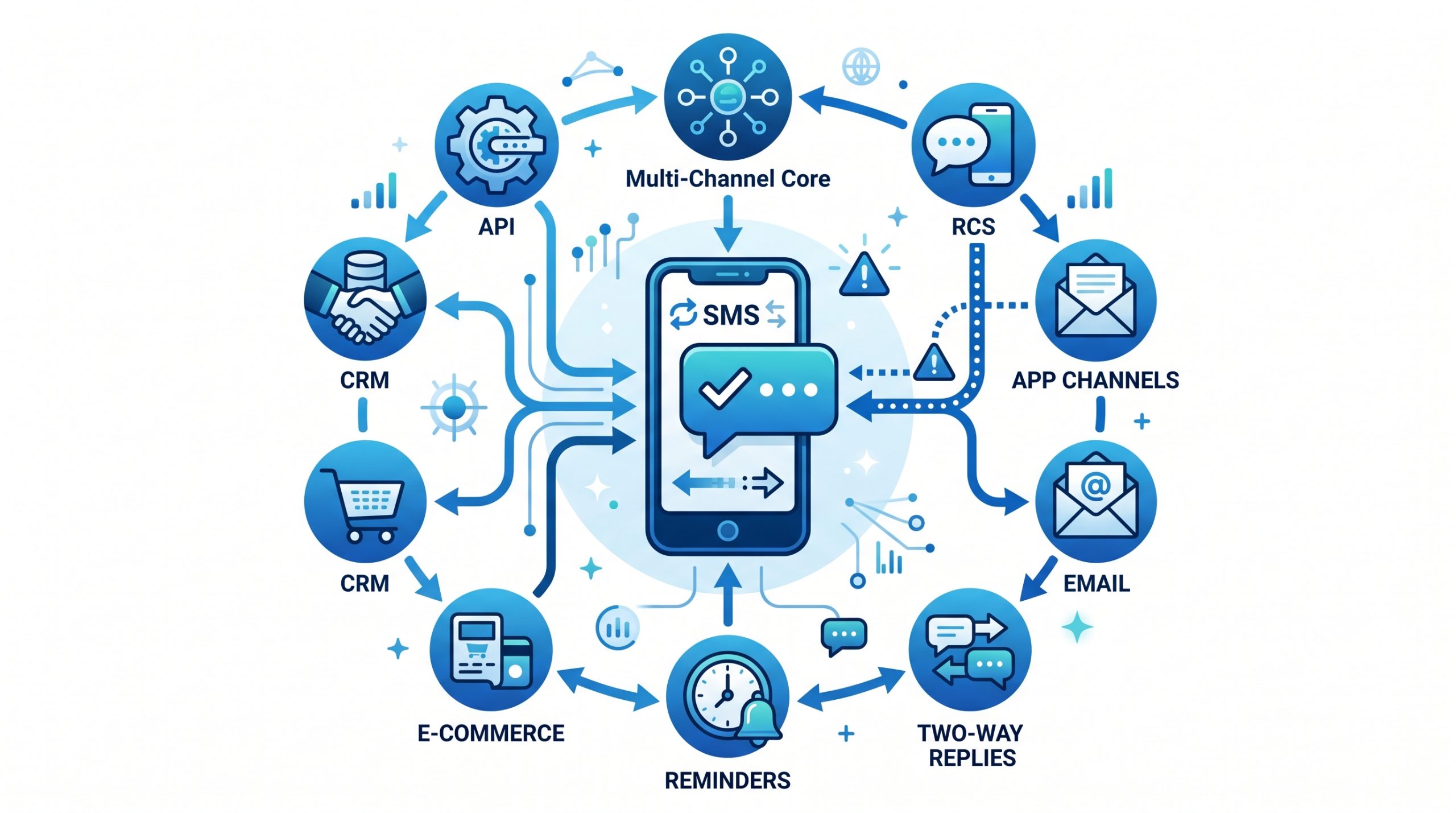
For many companies, the practical solution is a combination: use the new channels where they make sense - but let SMS be the safe fallback that ensures the message still gets through.
Typical uses of SMS in businesses
SMS is particularly powerful when communication is concrete and action-oriented. This applies, among other things:
- One-time codes and login confirmations
- Appointment, booking and meeting reminders
- Operation and service notifications
- Delivery updates and pickup notifications
- Payment reminders
- Emergency and on-call messaging
- Short and precise SMS marketing with consent
Common to all good SMS use cases is that the recipient can quickly understand the message and react to it.
Want to use SMS more efficiently?
SureSMS helps businesses with SMS platform, API, integrations and consulting so your messages reach the right recipients securely.
Read more about the SureSMS SMS platformTwo-way SMS makes the channel more valuable
SMS doesn't just have to be one-way communication. With two-way SMS, the customer can respond directly to the message. It can be used to confirm an appointment, reply yes/no, give feedback or start a simple support dialog.
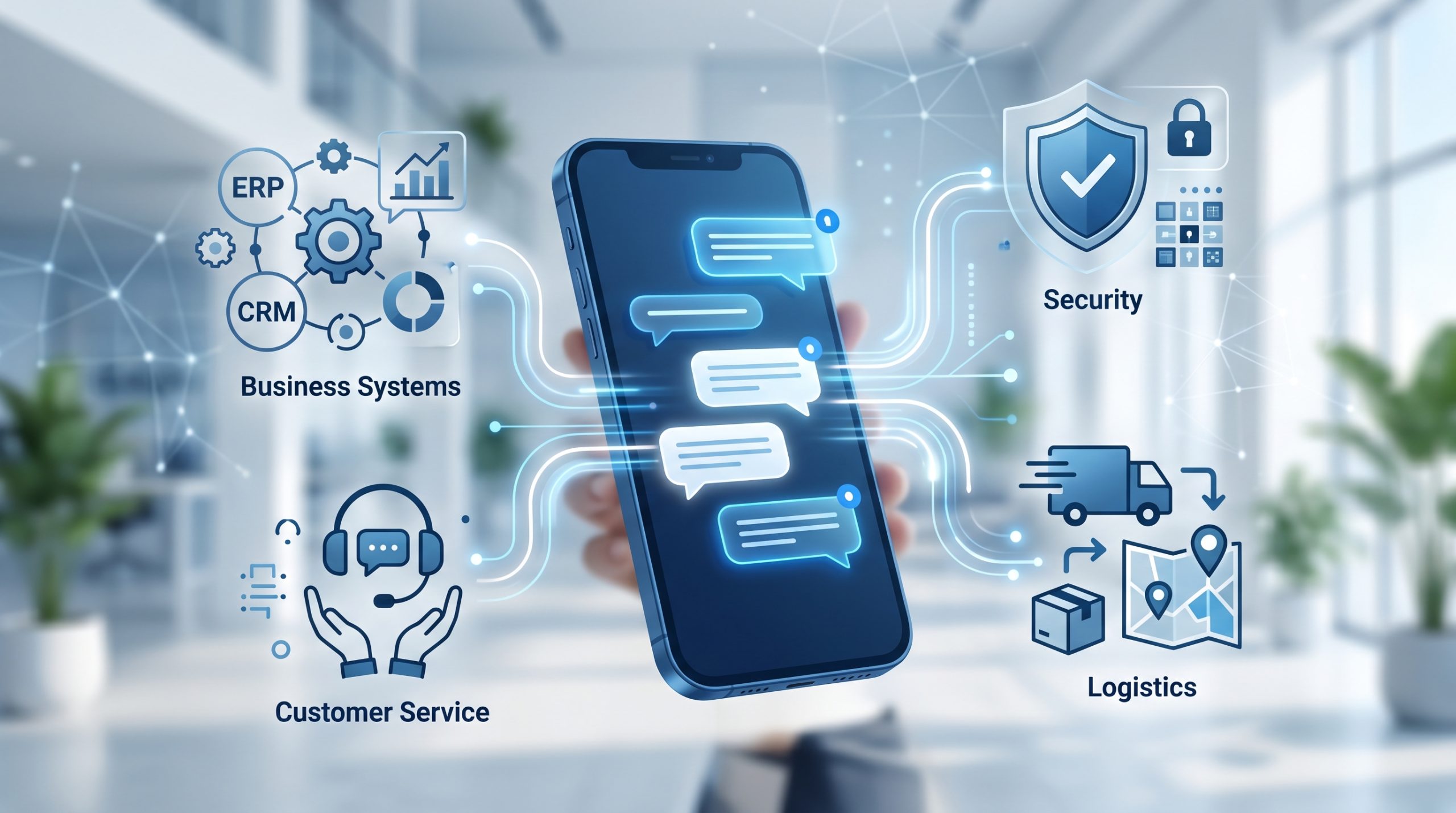
When responses are sent to CRM, customer service, booking systems or other internal tools, SMS becomes part of the company workflow - not just a separate messaging channel.
SMS API: When messages need to be automated
By 2026, most fixed SMS processes should be automated. With an SMS API, messages can be triggered directly from the systems the company already uses. This could be, for example:
- An order in the webshop changes status
- A customer books or changes an appointment
- A system detects an error or operational change
- A payment is missing
- A user must verify their login
At SureSMS, SMS can be integrated via API and through integrations to many different systems. This makes it possible to send relevant messages automatically - without employees having to copy text or send manually every time.
SMS is a direct channel. For marketing, consent, relevance, clear sender and easy unsubscribe must always be in place.
Remember consent and relevance
Because SMS is a very direct channel, it needs to be used with care. For marketing, it requires clear consent, a clear expectation on the part of the recipient and easy unsubscribe options.
The best SMS communication is short, relevant and useful. If the message helps the recipient take action, remember, pay, show up or get important information, the channel is a good fit.
Conclusion: SMS is still the basic channel
SMS doesn't win by being the newest or most advanced. It wins by being stable, simple and widely available. That's why SMS is still an important part of modern business communication in 2026 - both on its own and as a backup in a multi-channel strategy.